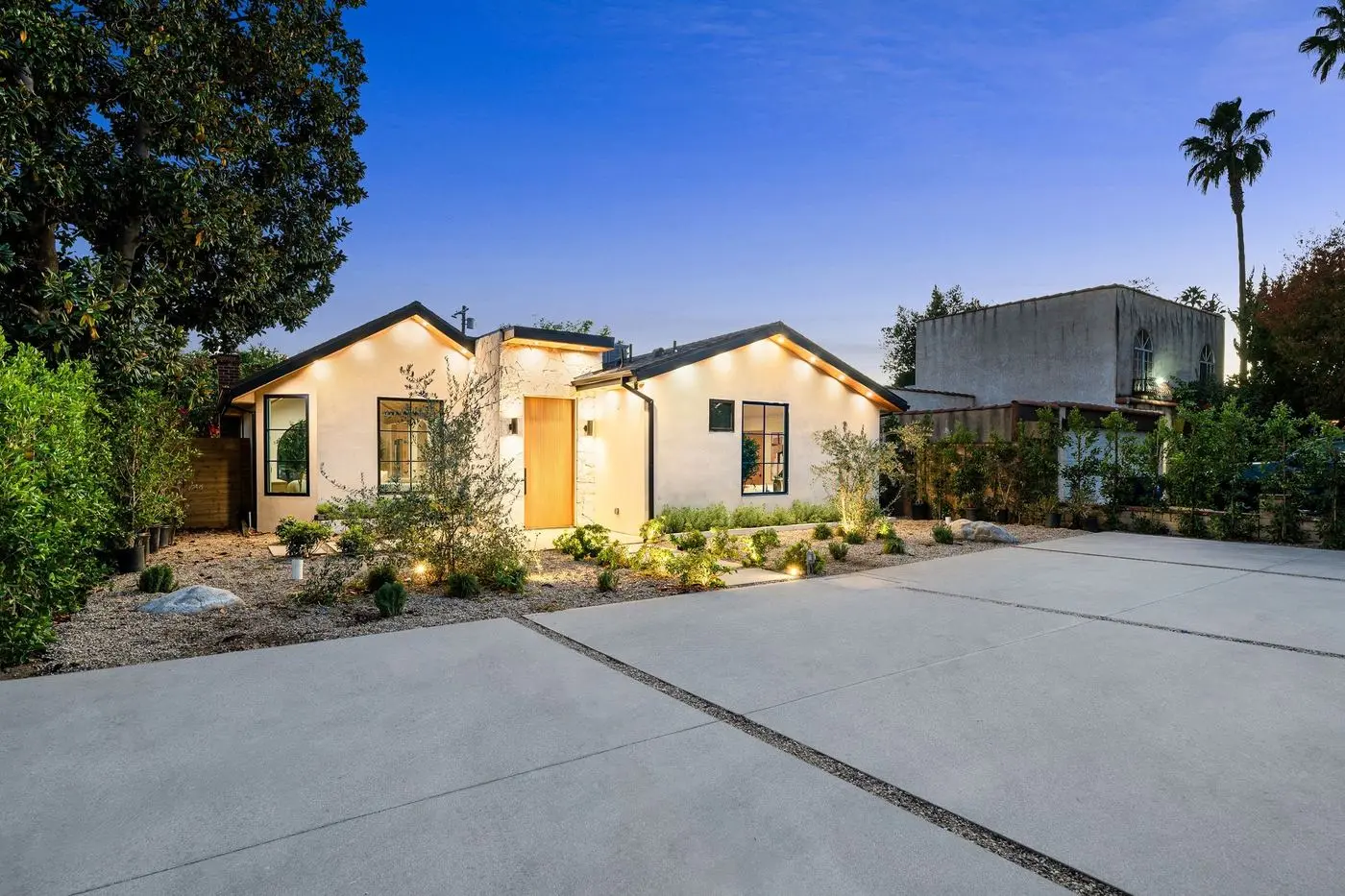
Drive any Middle Tennessee neighborhood and you’ll see the same pattern: surface cracks running diagonally across driveways, edge spalling at the curb cut, control joints widening from neat lines into structural fractures. Most homeowners assume it’s age. It’s not. It’s specification.
The three failure points
Nearly every prematurely failing driveway in Nashville shares the same three construction defects. None of them are visible from the surface. All of them are baked in at pour day.
1. The mix is too weak
Tennessee’s residential standard is 3,000 PSI. That number is the compressive strength the concrete will reach at full cure (28 days). It’s the floor most contractors order from the ready-mix plant because it’s the cheapest option that doesn’t get rejected outright on a pour ticket.
The problem: 3,000 PSI is engineered for low-stress applications. Sidewalks. Foot-traffic patios. It is not engineered for the loads a driveway sees: daily vehicle weight, freeze-thaw cycles, and Tennessee’s clay-soil moisture swings. Every pour we do at Pumas starts at 4,000 PSI minimum. That single specification adds 33% compressive strength and is the difference between a slab that handles freeze-thaw and one that cracks at it.
2. The reinforcement is in the wrong place
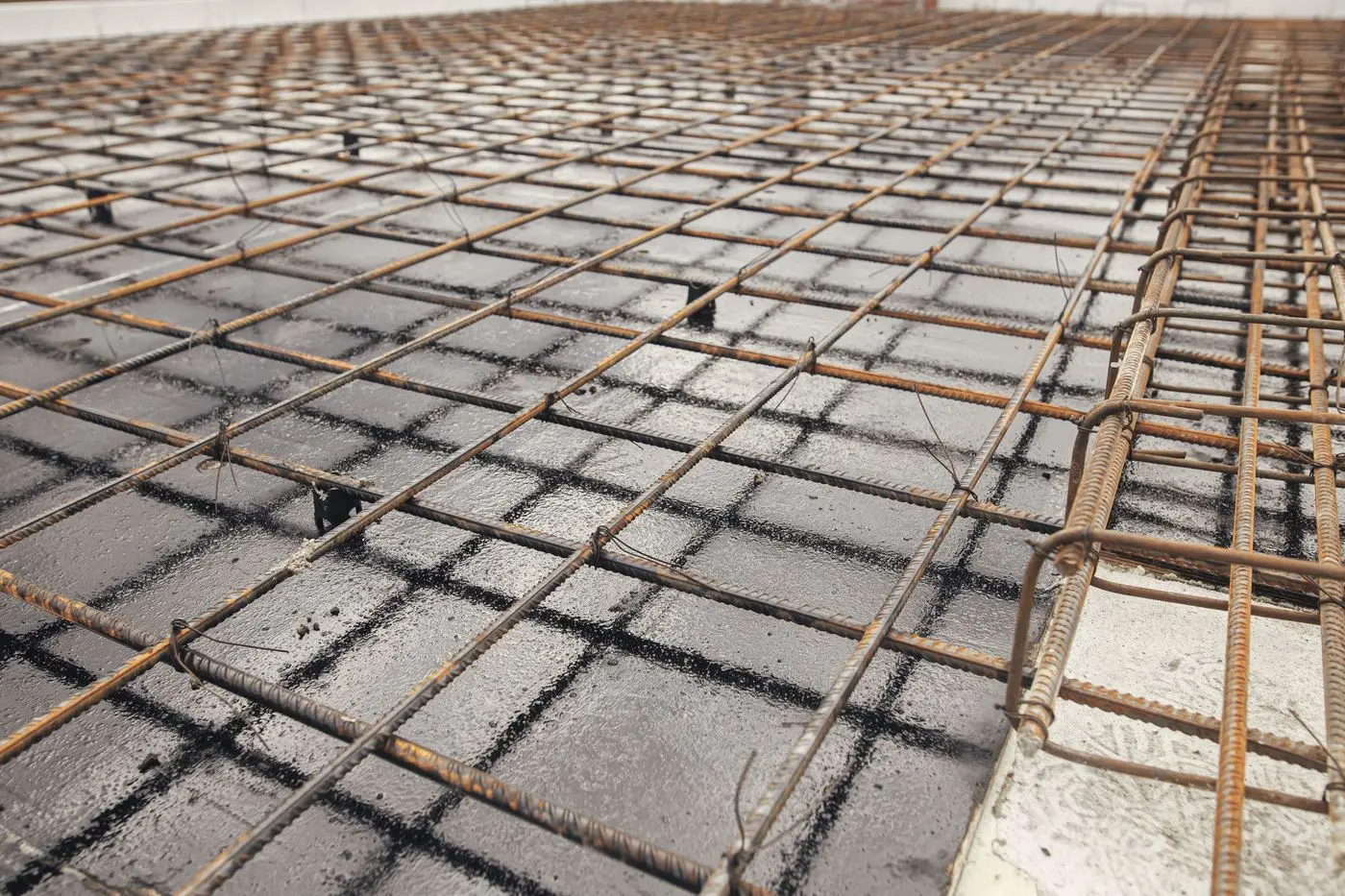
Walk past any driveway pour and you’ll see wire mesh laid flat on the sub-base before the concrete trucks arrive. That mesh is supposed to provide tensile reinforcement, but it only works if it’s embedded in the middle third of the slab during placement.
Lying flat on dirt, it does nothing. By the time the concrete is poured over it, the mesh is sitting at the bottom of the slab, exactly where it’s not needed. Pumas Concrete uses a structural rebar grid elevated on chair rails so the steel sits at the right depth. That’s where reinforcement does its job, not where it’s convenient to place.
3. The base wasn’t prepped
This is the one no one sees. Below every concrete slab is a sub-base layer: gravel, crushed stone, or compacted earth. In Tennessee’s clay-heavy soil, that sub-base is bone dry by the time the concrete trucks arrive.
If the base isn’t pre-hydrated before the pour, it pulls moisture out of the curing concrete during the critical first 48 hours. The result is uneven cure depth, weak bonding at the slab bottom, and surface scaling within five years. We pre-hydrate every base using SSD (Saturated Surface Dry) preparation. The sub-base goes in wet, the concrete cures evenly, and the slab develops full strength.
Why this keeps happening
Tennessee has no mandated quality standard for residential concrete. The state has structural code for foundations and load-bearing slabs, but driveways and patios sit outside that. So the market settled into the lowest-cost specification that will pour without immediately failing. That specification is exactly what’s failing on a 5-to-10-year timeline.
The PSIP Protocol is our formal answer to that gap: six specifications, applied to every project, that produce concrete engineered to last 50 to 75 years instead of 5 to 10. If you’ve already had concrete fail on you, the cause was almost certainly one of the three points above. If you’re planning a project, those three points are the questions to ask any contractor before signing.
The cheapest pour in town is also the most expensive one. You just pay for it on the second pour.
Related reading:
- What’s a Structural Longevity Certificate, and Why Does Yours Need One?: what we document at the close of every PSIP project
- What a Concrete Driveway Actually Costs in Nashville (2026): the price difference between failure-spec concrete and a 50-year asset
- Concrete Driveway Installation: our PSIP-spec driveway service
Found this useful? Share it.