Most concrete projects end with a handshake and a check. Pumas projects end with a document.
The Structural Longevity Certificate is a written record we issue at the close of every project. It documents the exact specification used to build your concrete: mix, reinforcement, base preparation, finishing technique, and crew. It’s signed and dated at completion and transfers to subsequent property owners at resale.
This post explains what’s actually on the certificate, why we made it part of the protocol, and what it does for you when you sell your home.
What the certificate documents
The Structural Longevity Certificate is a one-page record covering five categories:
Mix specification. The PSI rating of the concrete used (4,000 PSI minimum on Pumas projects), the aggregate blend, any admixtures (fiber mesh, accelerators, retarders), and the ready-mix plant batch reference.
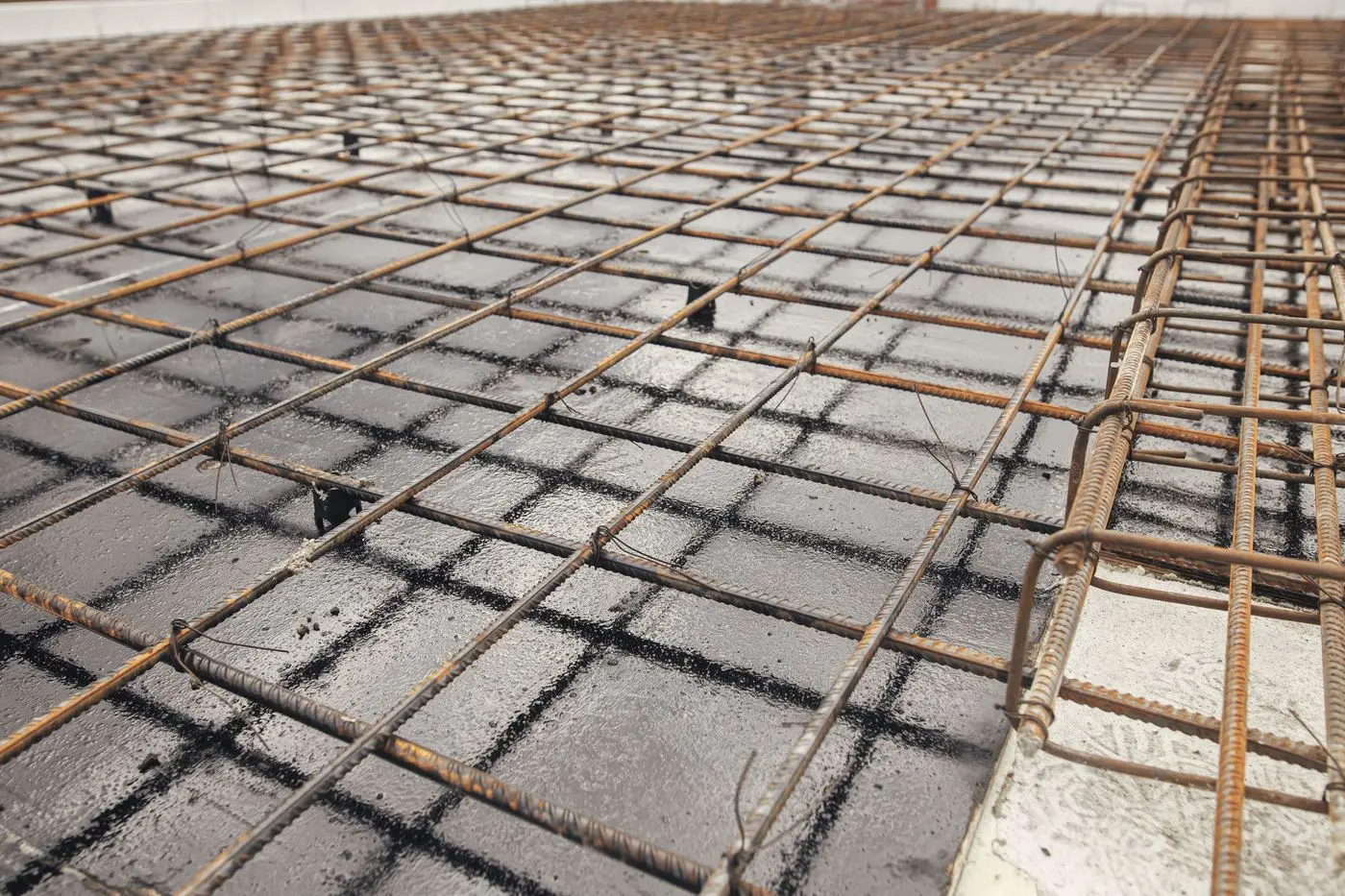
Reinforcement method. Rebar size (typically #3 or #4), grid spacing, chair rail elevation, and tie-off configuration. This is the structural skeleton of your slab.
Base preparation. Sub-base material (typically #57 crushed stone), compacted depth, SSD pre-hydration confirmation, and any drainage modifications.
Finishing technique. Surface treatment applied (broom, sand finish, exposed aggregate, stamped pattern) and whether the finish was machine, hand-finished, or combination.
Project lead and crew. The Pumas project manager, lead finisher, and pour date.
Every field is filled in at completion based on the actual project record. Nothing is templated or generic. If your driveway is 4,500 PSI with a #4 rebar grid on 18-inch centers, that’s what the certificate says.
Why we issue it on every project
Documented quality is rare in residential concrete. The industry default is verbal: “We use a good mix.” “We always use rebar.” “We do quality work.” None of that holds up at resale, in a warranty dispute, or in front of an insurance assessor.
The certificate makes our specification provable. If we say a slab was poured at 4,000 PSI with full rebar, the certificate names the mix, the day, the plant, and the crew. That’s not marketing. That’s a record.
It also forces internal discipline on our side. Every Pumas crew knows that the project will be documented at completion. The PSIP specification isn’t aspirational. It’s the spec that has to match the certificate. If anything deviates, we either fix it or document the deviation, in writing.
What it does at resale
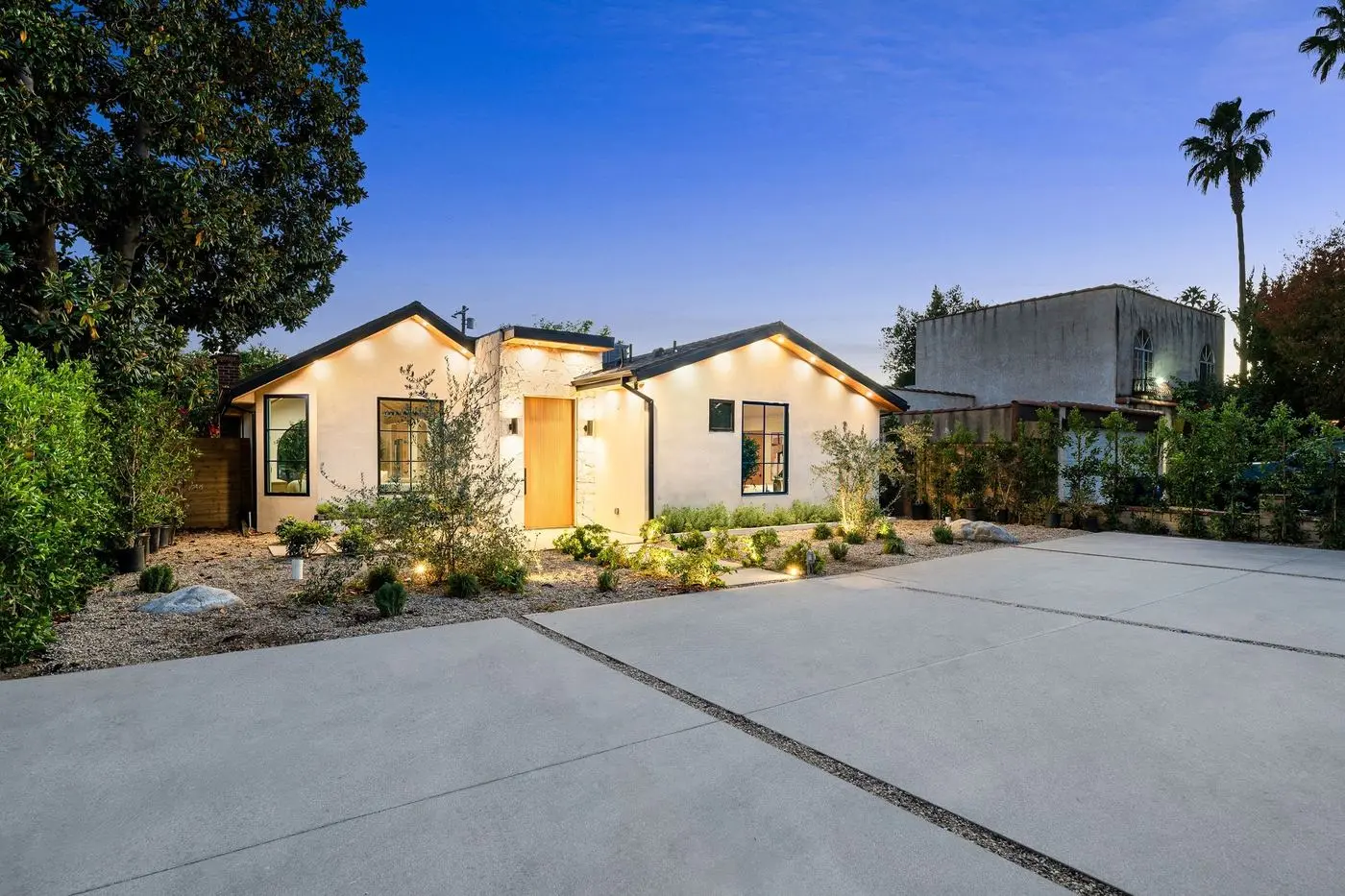
A driveway is a permanent improvement to a property. When you sell, that improvement is part of what the buyer is purchasing. But “concrete driveway” on an inspection report tells a buyer nothing about quality. A buyer might assume it’s the same 3,000 PSI/wire mesh standard that’s failing across the rest of the neighborhood.
The Structural Longevity Certificate changes that. It tells the buyer (and their inspector, appraiser, and lender) that the concrete on the property was built to a documented quality standard. It quantifies what they’re inheriting.
We’ve had homeowners forward the certificate to listing agents during a sale to back up premium pricing on the home. We’ve had agents specifically reference the certificate in MLS descriptions. We’ve had buyers ask, during inspection, whether the certificate transfers (it does).
It’s not a warranty in the legal sense. Pumas, like any contractor, can’t guarantee against acts of God, soil failure caused by third parties, or damage outside the scope of our work. But it’s a transferable proof of construction quality, which is something the residential concrete market has historically lacked.
Why no one else issues one
Two reasons. First, most contractors couldn’t fill it out honestly. The spec they pour to wouldn’t survive being written down. Second, even the contractors who could, don’t, because the certificate creates accountability they’d rather avoid.
We issue it because the specification we pour to is the specification we’re willing to document. The certificate is the close of the loop on the PSIP Protocol. It turns “we did the work to spec” from a claim into a record.
Every Pumas project gets one. Yours will too.
Related reading:
- The PSIP Protocol™, the six-step specification the certificate documents
- Why 90% of Nashville Driveways Fail Within a Decade, what undocumented concrete looks like five years later
- What a Concrete Driveway Actually Costs in Nashville, how the certificate factors into the value of a premium pour
- Featured Projects, every project in our portfolio shipped with one of these certificates
Found this useful? Share it.