Commercial & Industrial Slabs in Nashville
Warehouse floors, vehicle service bays, and retail pads that bear forklift traffic, rack systems, and concentrated equipment loads require a fundamentally different specification than residential concrete. We build for the actual load.
Every Commercial & Industrial Slabs Project Includes
Load-Calculated Specification
We evaluate your facility's actual load profile, forklift capacity, rack system point loads, vehicle types, and equipment footprint, before specifying slab thickness, reinforcement density, and joint spacing.
Commercial Mix Design
Industrial floors typically require 4500-5000 PSI mix design, fiber reinforcement in addition to rebar, and in some cases post-tensioning or special surface hardening treatments depending on traffic type and forklift wheel contact pressure.
Construction Joint Planning for Operations
Construction joints in industrial floors are potential forklift wheel trip points that cause slab edge damage and vehicle damage over time. We design joint locations to minimize forklift traffic crossing at tight angles and specify load-transfer mechanisms at joints.
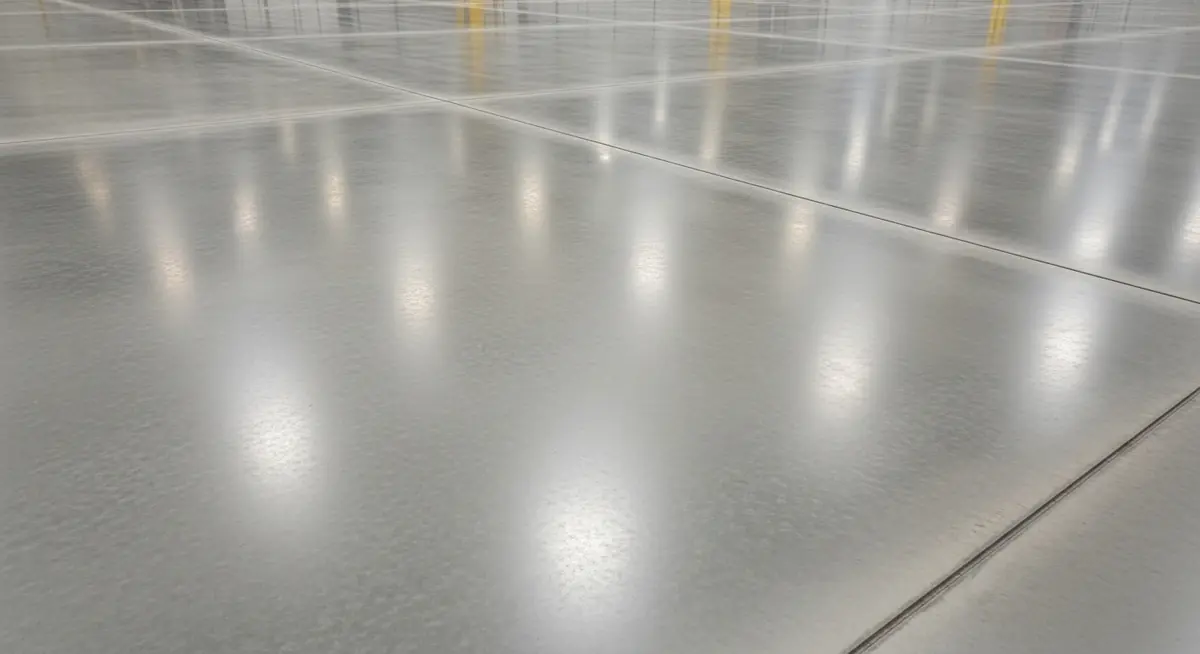
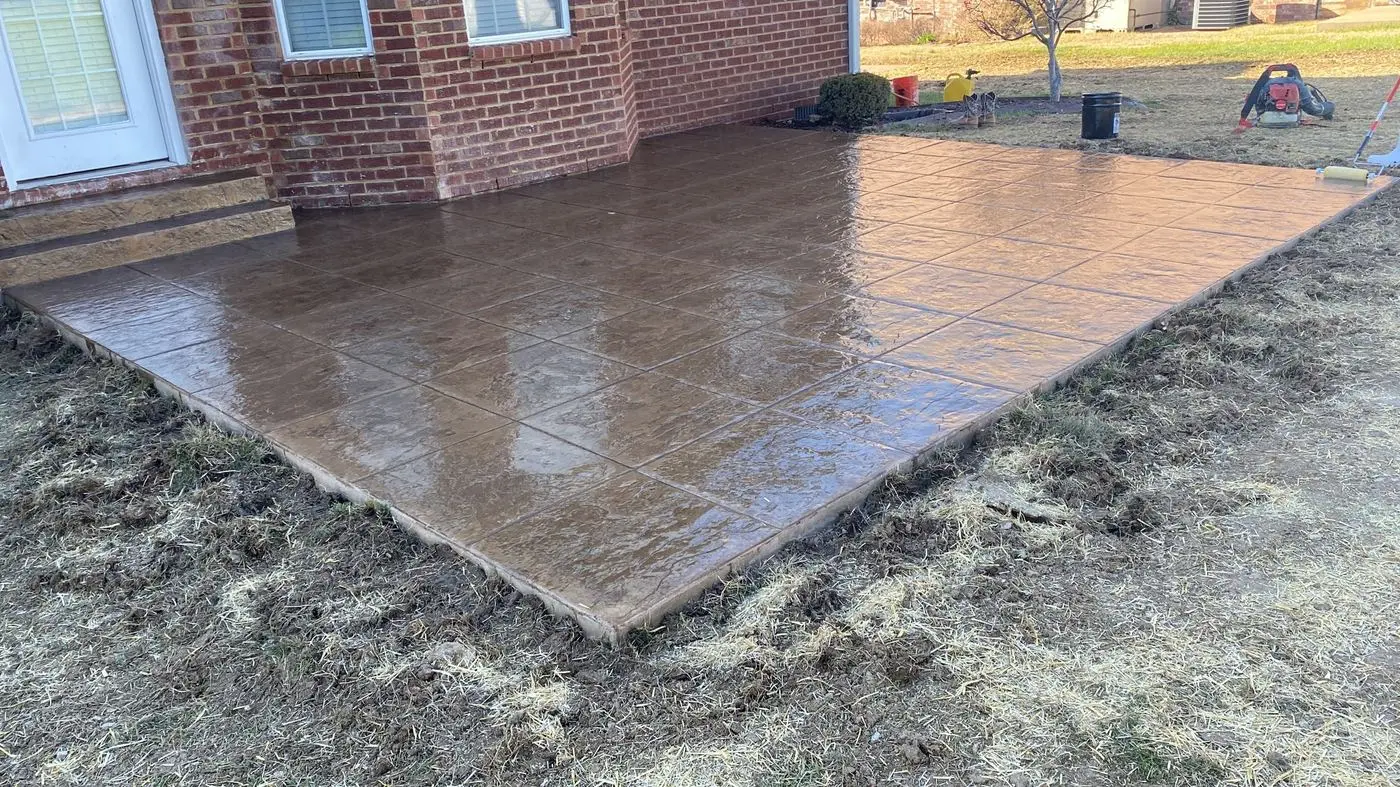
Real Pumas Job Site · Nashville, TN
How We Deliver Commercial & Industrial Slabs
Facility & Load Review
We collect facility layout, racking system specification, vehicle type and capacity, and operational traffic patterns before developing the slab specification.
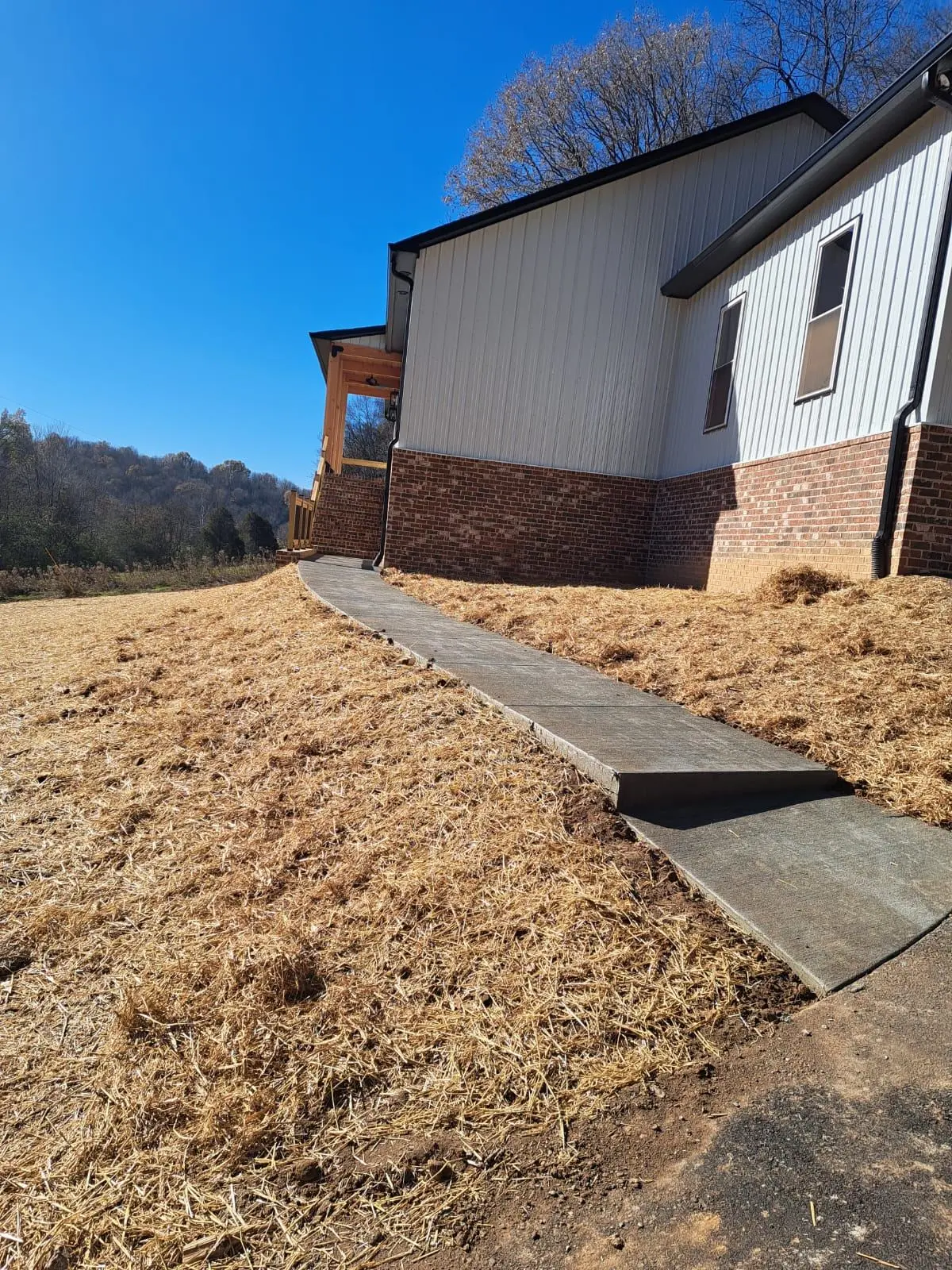
Slab Design Documentation
Slab thickness, reinforcement density, joint layout, and mix specification are documented and reviewed with the owner before field work begins.
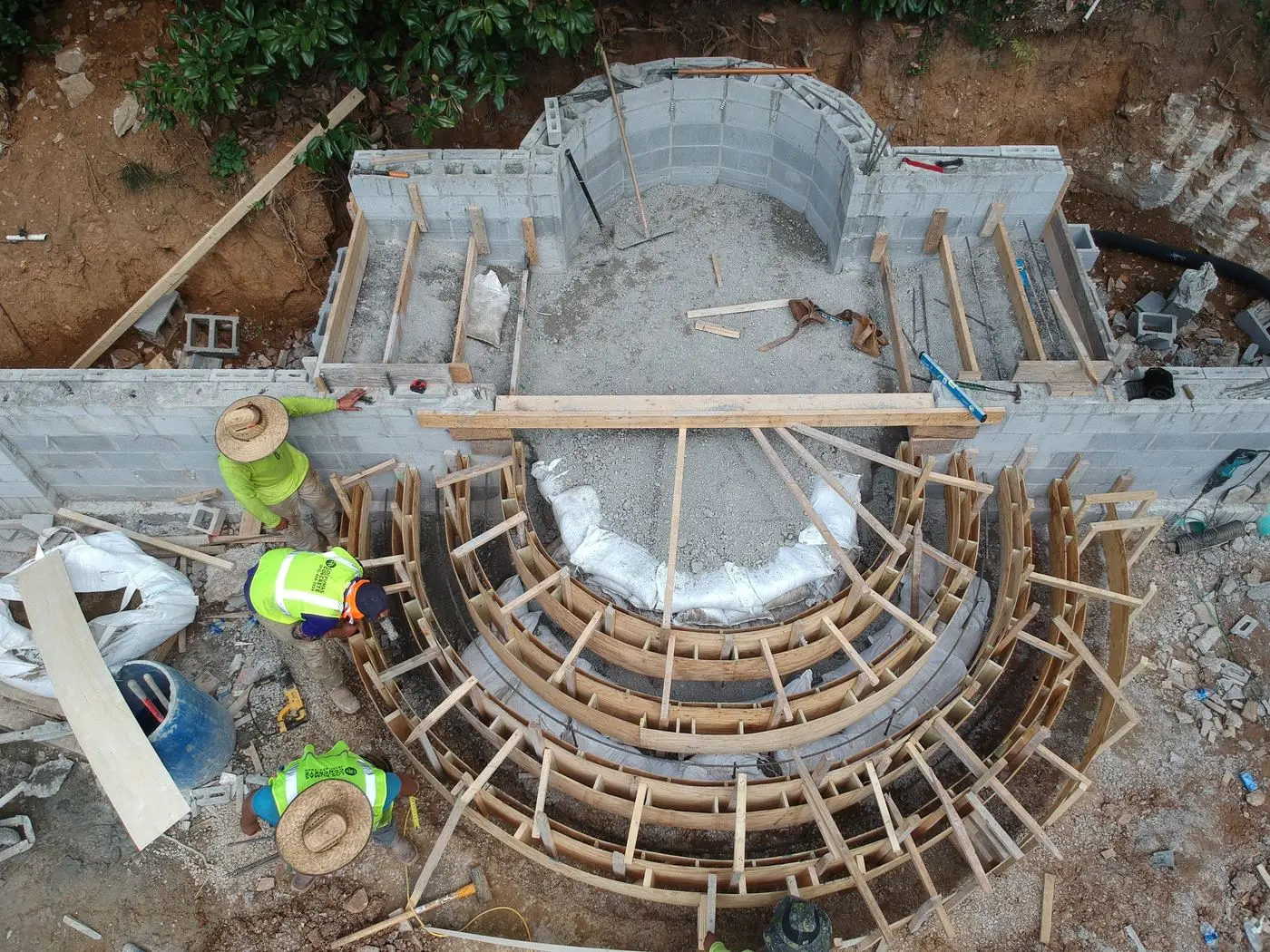
Sub-Base Evaluation & Preparation
Industrial sub-base requirements are significant, poor sub-base preparation is the primary cause of industrial floor failure. We evaluate and specify base material, compaction density, and moisture conditions.
High-Volume Pour Execution
Commercial and industrial pours require precise crew coordination to maintain consistent slab quality across large areas poured in sequence. Our 30+ person crew handles this without subcontracting.

Floor Flatness & Documentation
Industrial floor flatness and levelness (F-numbers) can be specified and measured for facilities with rack-supported structures or narrow-aisle forklifts. Full documentation package delivered.
Discuss Your Project Why Commercial Load Requirements Change the Entire Specification
A commercial or industrial concrete floor is a structural element, not a surface treatment. The difference between a floor that performs under forklift traffic and one that cracks under rack leg loads is not finish quality, it’s mix design, slab thickness, reinforcement density, joint spacing, and sub-base preparation. Pumas Concrete scales the PSIP Protocol to commercial and industrial requirements: higher PSI mix, heavier reinforcement, increased slab thickness, and the documentation that facility operators and insurance underwriters require.
Load-calculated specification. We evaluate your facility’s actual load profile, forklift capacity and wheel contact area, rack system point loads, vehicle types, and equipment footprint, before specifying slab thickness, reinforcement density, and joint spacing. Generic slab specification applied to a facility with specific load requirements produces either an oversized slab that costs more than necessary or an undersized slab that fails under operational loads. We calculate for the actual load, then document what we specify.
Commercial mix design. Industrial floors typically require 4500-5000 PSI mix design, fiber reinforcement in addition to rebar, and in some cases special surface hardening treatments depending on forklift wheel type and contact pressure. Polyurethane wheel forklifts impose higher point pressure than pneumatic tire equipment. Narrow-aisle turret trucks impose the highest point loads of any standard warehouse vehicle. Mix design and slab thickness respond to these specific load conditions.
Construction joint planning for operations. Construction joints in industrial floors are potential forklift wheel trip points that cause slab edge damage and vehicle damage over time. We design joint locations to minimize forklift traffic crossing at acute angles and specify load-transfer mechanisms at joints, dowels or keyways, that prevent edge rocking under wheel loads.
Documentation that holds up to scrutiny. Full quality assurance documentation is standard on every commercial and industrial slab project: pour records, batch plant mix design certifications, concrete cylinder test results, reinforcement inspection records, and finished slab F-number measurements where specified. This documentation supports insurance requirements, due diligence for facility acquisition, and regulatory compliance review.
PSIP Protocol. Applied to Every Project
4000 PSI Concrete · Full Rebar Grid · California Sand Finish · Structural Longevity Certificate
What Nashville Clients Say
Real homeowners and commercial clients across Middle Tennessee.
We are beyond thrilled with our new backyard patio from Pumas Concrete! Gumaro was our main contact throughout the entire project, and his expertise, passion, and clear communication made the whole pr…
Alana Seay
Backyard Patio
Nashville
I got three quotes. Los Pumas wasn't the cheapest, but they were the only ones who explained why my old driveway failed. Los Pumas gave me the PSIP certificate, showed me the rebar grid, and explained…
Samantha Toral
Driveway Installation
Nashville
Gumaro took the time to educate us on the Performance Structural Integrity Protocol (PSIP). He explained why the mandatory rebar reinforcement and the 4000 PSI mix are essential for longevity. Knowing…
Mary Fylypowycz
Driveway
Springfield, TN
As someone who manages commercial properties, finding a concrete contractor that shows up, communicates, and delivers quality work is rare. Los Pumas Concrete checked all the boxes. They handled our c…
Dakota Ballard
Commercial Concrete
Nashville
The Floor Your Operations Will Actually Depend On.
Industrial slab specification isn't a commodity decision. We build floors that hold up to the real load profile of your facility.
Commercial & Industrial Slabs. Frequently Asked Questions
Common questions about commercial & industrial slabs in Nashville, TN.
Standard warehouse forklift traffic (counterbalanced, Class I-III): 6 inches minimum, typically 7 inches for stability under heavy loads. Narrow-aisle or turret forklifts: often 8 inches or more due to concentrated wheel loads. Reach trucks and order pickers: 6-7 inches depending on capacity. Slab thickness is calculated based on the heaviest expected load and the weakest point in the sub-base.
For standard warehouse operations, ASTM E1155 F-number specifications are commonly requested. For random traffic warehouses, FR20/FL15 is typical. For defined-traffic aisles with narrow-aisle forklifts, FM50/FL25 or higher may be required. We can target specific F-numbers and document measurement results after pour and cure.
Expansion joints between existing and new slabs require careful design for load transfer and thermal movement. Doweled or keyed construction joints are specified to transfer shear loads between slabs while allowing thermal movement. The existing slab's condition and reinforcement are evaluated before the connection detail is specified.
A standard commercial slab receives a broom or trowel finish appropriate for the intended use. Polished concrete involves grinding and honing the surface after cure to a reflective finish, typically used in retail or showroom environments. Both applications are built on the same PSIP-scaled structural base.
Still have questions? We're happy to talk through your project.
Contact UsRelated Services
PSIP Certified Concrete
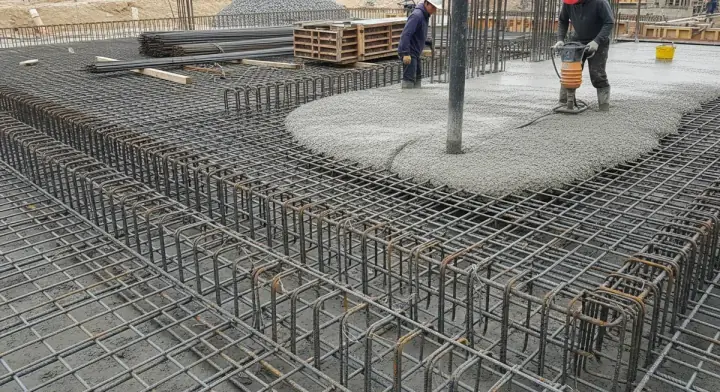
Every Pumas project follows the Performance Structural Integrity Protocol (PSIP): 4000 PSI mix, rebar on chair rails, pump-poured, and backed by a Structural Longevity Certificate.
Learn More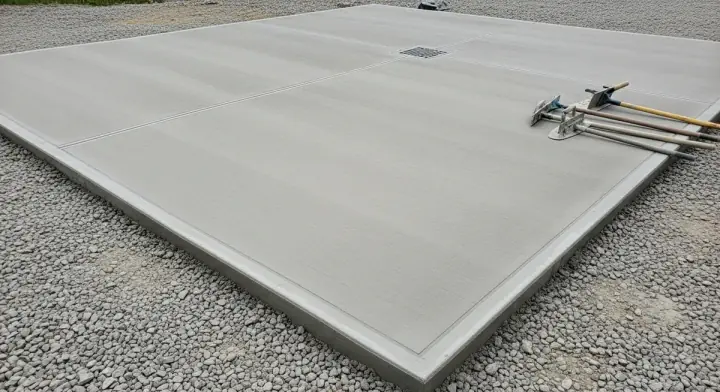
Concrete Slab Installation
Precision concrete slab installation for garages, outbuildings, workshops, and more, properly graded, reinforced, and finished to specification.
Learn More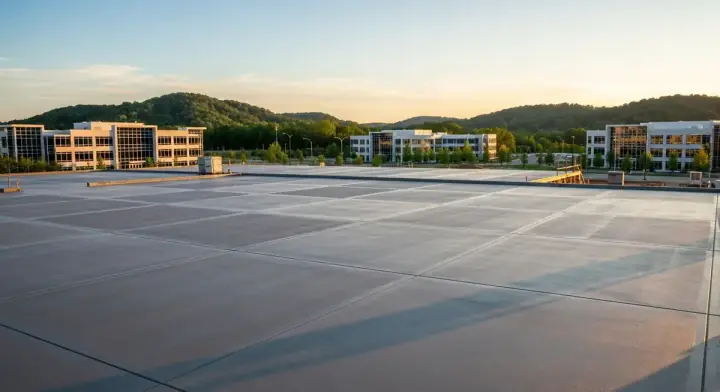
Commercial Flatwork
Large-scale commercial flatwork including sidewalks, parking lots, loading areas, and site concrete, delivered on schedule and to spec.
Learn More